
13.52 laminated glass
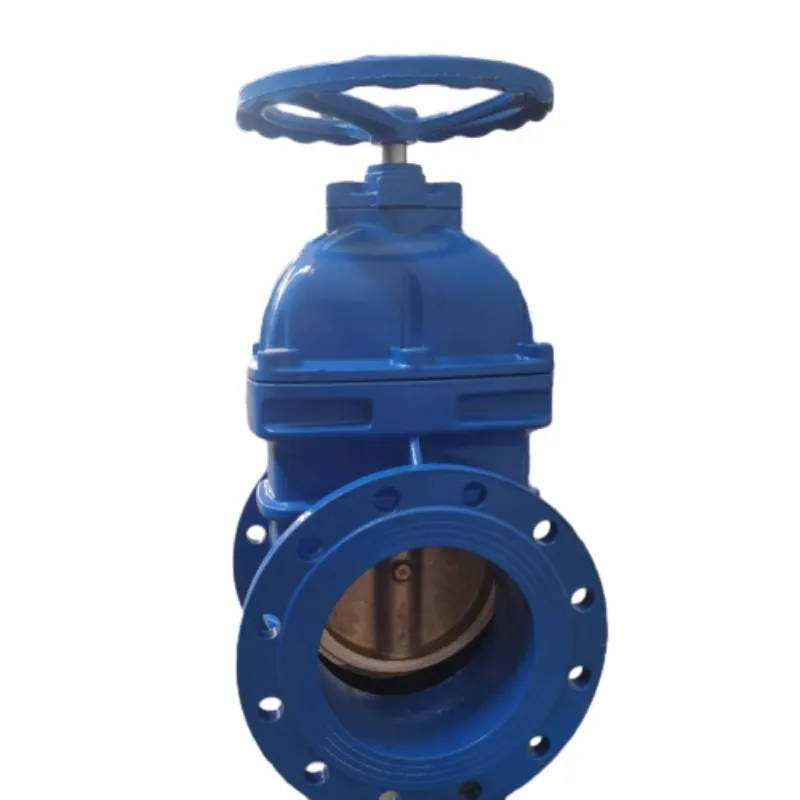
Understanding the Main Water Valve A Crucial Component of Your Plumbing System Water is often considered the lifeblood of any household, and managing its flow is essential for maintaining a functional living environment. Among the many components of a plumbing system, the main water valve stands out as a crucial fixture. This valve, typically located where the water line enters your home, serves as the primary control point for your water supply. Understanding the significance, functionality, and maintenance of your main water valve can empower homeowners to ensure the efficient operation of their plumbing systems. What is a Main Water Valve? The main water valve is a device that regulates the flow of water into your home. When fully open, it allows water to flow freely through the pipes, supplying all faucets, showers, and appliances. Conversely, when closed, it halts the water supply entirely, making it a critical component for emergency situations, such as leaks or plumbing repairs. Importance of the Main Water Valve The main water valve plays several vital roles in household plumbing 1. Leak Management In the event of a plumbing leak, the ability to shut off the main water valve quickly can prevent significant water damage. Many homeowners have experienced the costly consequences of undetected leaks, making this valve an essential tool for damage control. 2. Plumbing Repairs When performing maintenance or repairs on plumbing fixtures, the main water valve allows homeowners to stop water flow, ensuring safety and preventing further issues during the repair process . 3. Water Conservation During periods of prolonged absence, such as vacation, shutting off the main water valve can help conserve water and prevent potential leaks that could occur while the home is unoccupied. Types of Main Water Valves There are several types of main water valves, each with distinct mechanisms and advantages main water valve - Ball Valve Featuring a spherical disk that rotates to open or close the water flow, ball valves are durable and easy to operate. They are favored for their reliability and minimal resistance to water flow. - Gate Valve This type uses a gate-like mechanism to control water flow. While gate valves are excellent for completely shutting off water, they can be more susceptible to wear and may not provide the same level of control as ball valves. - Globe Valve With a disk that moves vertically against a flow path, globe valves are used for regulating water flow. While they are effective for controlling pressure, they may not be the best choice for a main water shutoff due to higher resistance. Maintenance of the Main Water Valve Regular maintenance of the main water valve is crucial for reliable operation. Here are a few tips 1. Regular Inspection Periodically check the valve for signs of corrosion, leaks, or wear. If you notice any issues, consider calling a professional plumber. 2. Exercise the Valve It is advisable to turn the valve off and on every few months. This action lubricates the mechanisms and helps prevent it from seizing. 3. Know Its Location Ensure all household members are aware of the main water valve's location. In an emergency, knowing how to quickly shut off the water can save time and prevent damage. Conclusion The main water valve is a pivotal element of any plumbing system, serving as the gateway to managing water flow in your home. Understanding its function, types, and maintenance can empower homeowners to take control of their water supply and prevent potential plumbing disasters. By fostering a proactive approach toward this essential fixture, you not only ensure the safety and efficiency of your home’s plumbing but also contribute to a more water-conscious lifestyle. Whether you are troubleshooting a leak or preparing for a renovation, always keep your main water valve in mind—your home’s water flow depends on it.
about
13.52 laminated glass
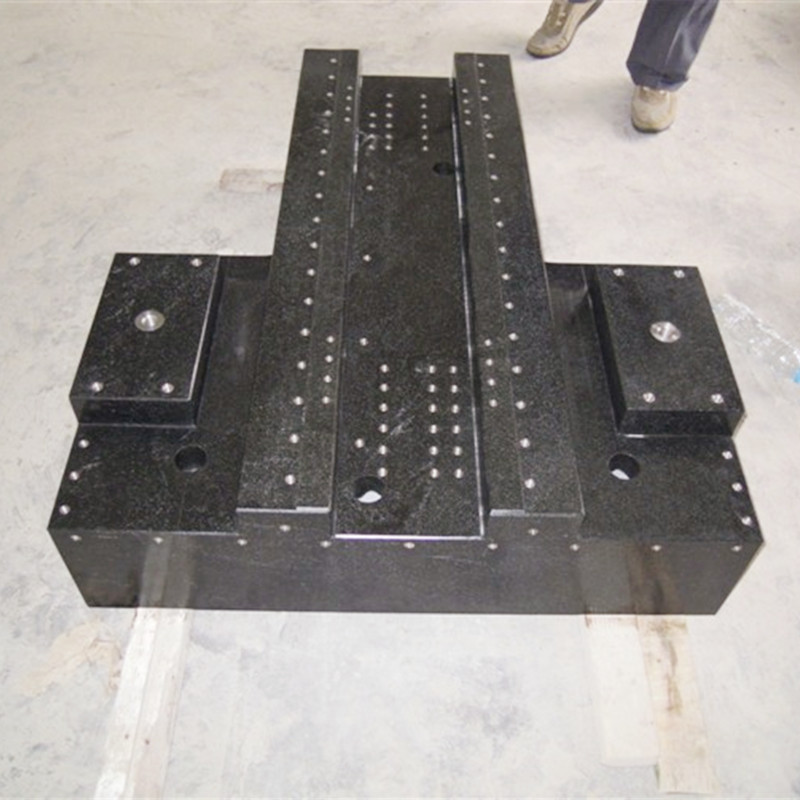
The Importance of Large Granite Surface Plates in Precision Engineering In the realm of precision engineering and quality control, large granite surface plates stand as indispensable tools. These flat, stable surfaces play a critical role in various applications, from simple layout work to the most complex machining processes. Their properties make them uniquely suited for ensuring measurement accuracy and facilitating the inspection of parts in manufacturing and engineering environments. Granite is a naturally occurring stone composed mainly of quartz, feldspar, and mica. Its inherent properties—such as hardness, strength, and resistance to wear—make it the ideal material for surface plates. The large granite surface plates are particularly valued for their ability to provide a stable reference plane that ensures precision during various measurement processes. They are often used in conjunction with other measuring tools like calipers, micrometers, and gauge blocks, forming a complete quality assurance system in a workshop. One of the most significant advantages of large granite surface plates is their superior flatness and rigidity. Precision granite surface plates are meticulously manufactured to meet tight tolerances that can be critical in engineering applications. A highly flat surface reduces the margins for error in measurements and ensures that components are machined accurately according to specified dimensions. This accuracy reduces the likelihood of assembly problems later in the production process, thereby saving time and resources. Additionally, large granite surface plates are resistant to thermal expansion and contraction, a phenomenon that can affect measurements if temperatures fluctuate. Unlike metal plates, which can change dimensionally with temperature variations, granite remains stable under varying conditions . This stability is vital in environments where precision is paramount, such as aerospace and automotive manufacturing, where even the slightest errors can lead to catastrophic failures. large granite surface plate Another essential feature of granite surface plates is their resistance to corrosion and chemical damage. While metal surfaces might corrode or rust when exposed to moisture or various chemicals, granite remains unaffected. This property allows for their use in a range of environments, including those involving fluids or corrosive materials. By maintaining their integrity over time, large granite surface plates contribute to a prolonged lifespan of measuring tools and equipment, reducing maintenance costs for manufacturers. Furthermore, the surface of granite plates can be polished to an incredibly fine finish, enhancing their performance. A smoother surface means less friction when placing or sliding other tools across them. This property not only protects both the granite surface and the measuring tools from wear but also allows for smoother operation, facilitating precision tasks with ease. In addition to their functional benefits, large granite surface plates are often visually appealing, characterized by their natural patterns and colors. This aesthetic quality makes them not only practical equipment but also a notable feature in engineering and inspection facilities. Many workshops choose to showcase their granite plates as a testament to their commitment to quality and precision. To ensure that these tools maintain their accuracy over time, it is essential to care for large granite surface plates properly. Regular cleaning with non-abrasive materials and periodic calibration checks are crucial practices. Operators should also be trained in proper handling techniques to prevent chipping or damage, ensuring that these plates retain their precision characteristics for many years. In conclusion, large granite surface plates are a cornerstone of precision engineering, offering exceptional flatness, durability, and resistance to environmental factors. Their advantages in measurement accuracy, stability, and longevity make them invaluable assets in manufacturing and inspection settings. As technology continues to evolve, the role of granite surface plates remains crucial in maintaining the high standards required in modern engineering. Whether in high-tech industries or traditional manufacturing, these tools stand as a testament to the importance of precision in achieving quality outcomes.
-

High quality industrial productsagement

High quality industrial products
View Details -

Meet the diverse needs of customers

Meet the diverse needs of customers
View Details -

Strict quality control

Strict quality control
View Details -

Top raw materials

Top raw materials
View Details -

Trusted supplier

Trusted supplier
View Details
Our application


news and information
Welding Methods Used in Metal Table Fabrication
In the realm of metal table fabrication , choosing the right welding methods is crucial for creating

Various Types of Water Check Valves and Their Applications
Types of Check Valves for Water Check valves play a crucial role in fluid control systems, particula
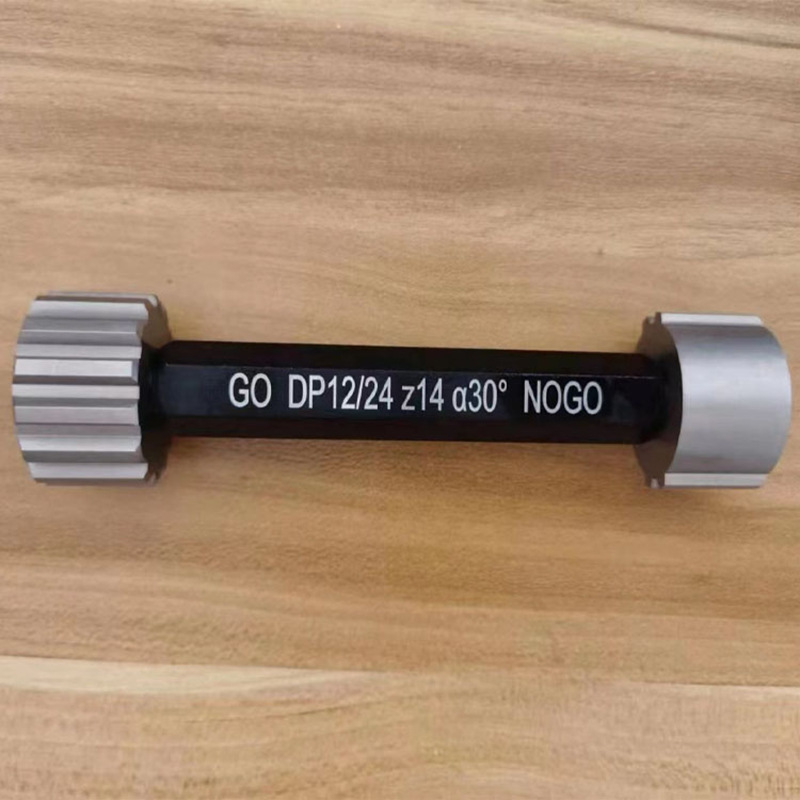
Using a Small Hole Gauge for Precision Measurement and Inspection of Small Orifices
The Importance of Small Hole Gauges in Measurement Small hole gauges are precision instruments used
 English